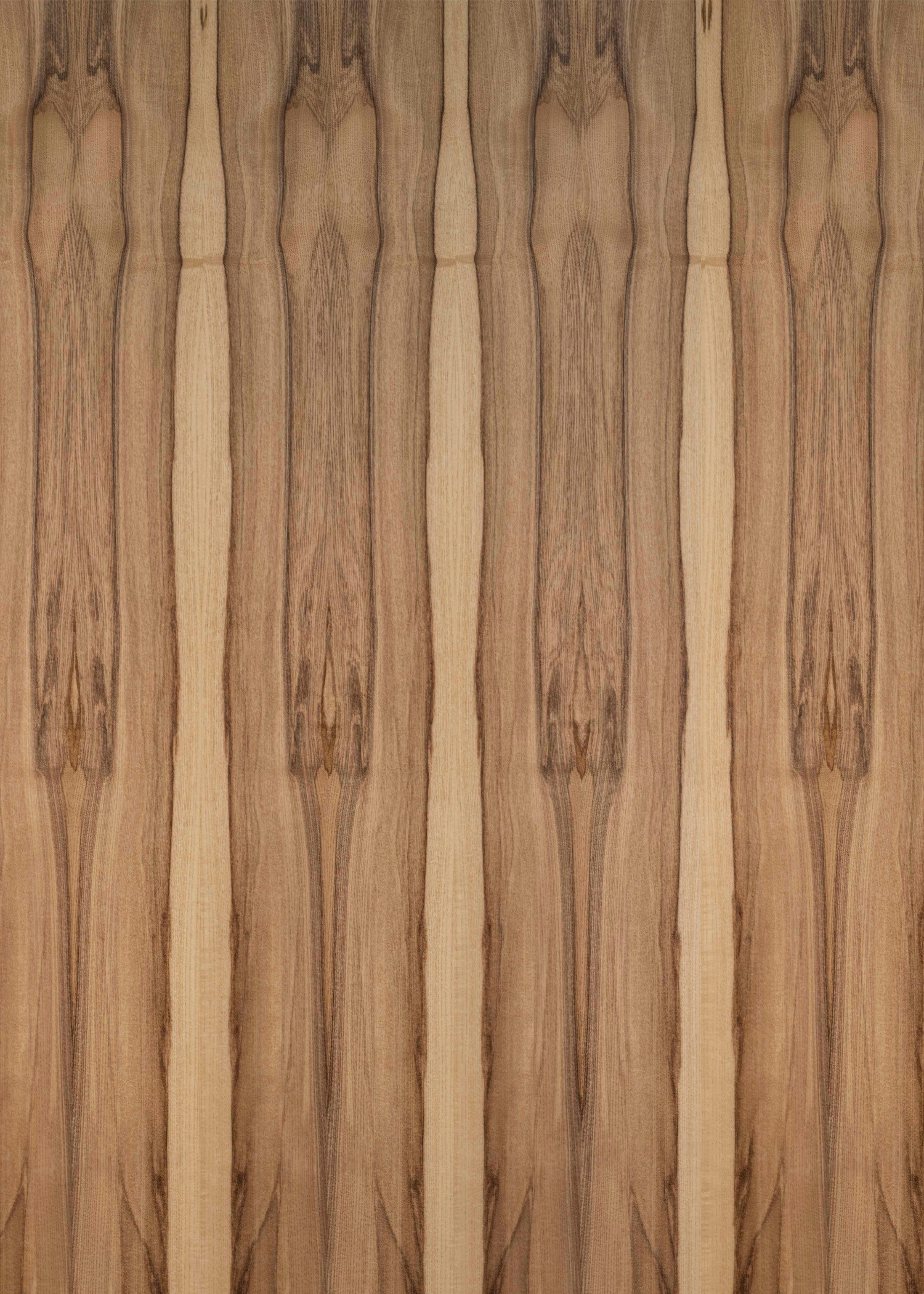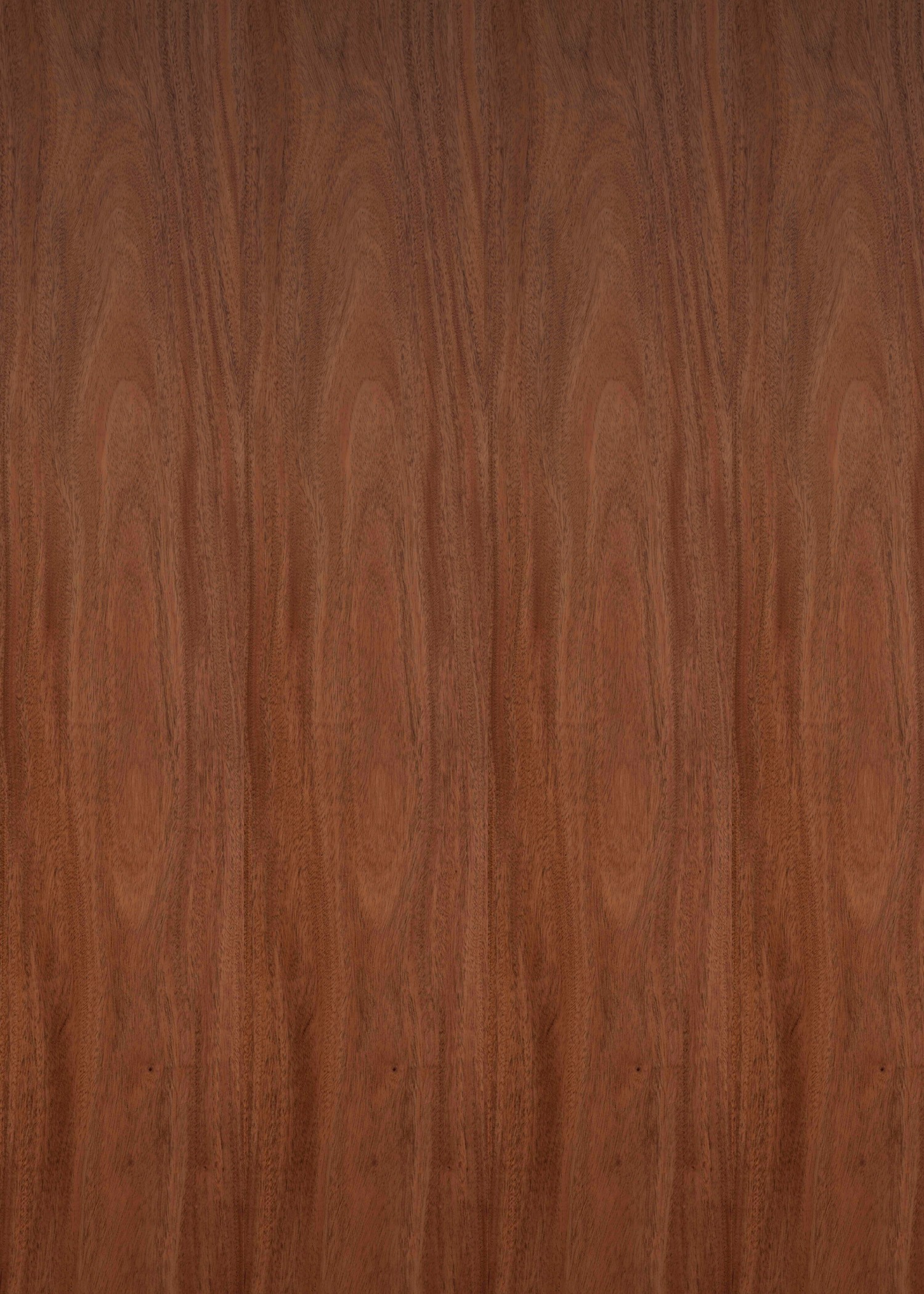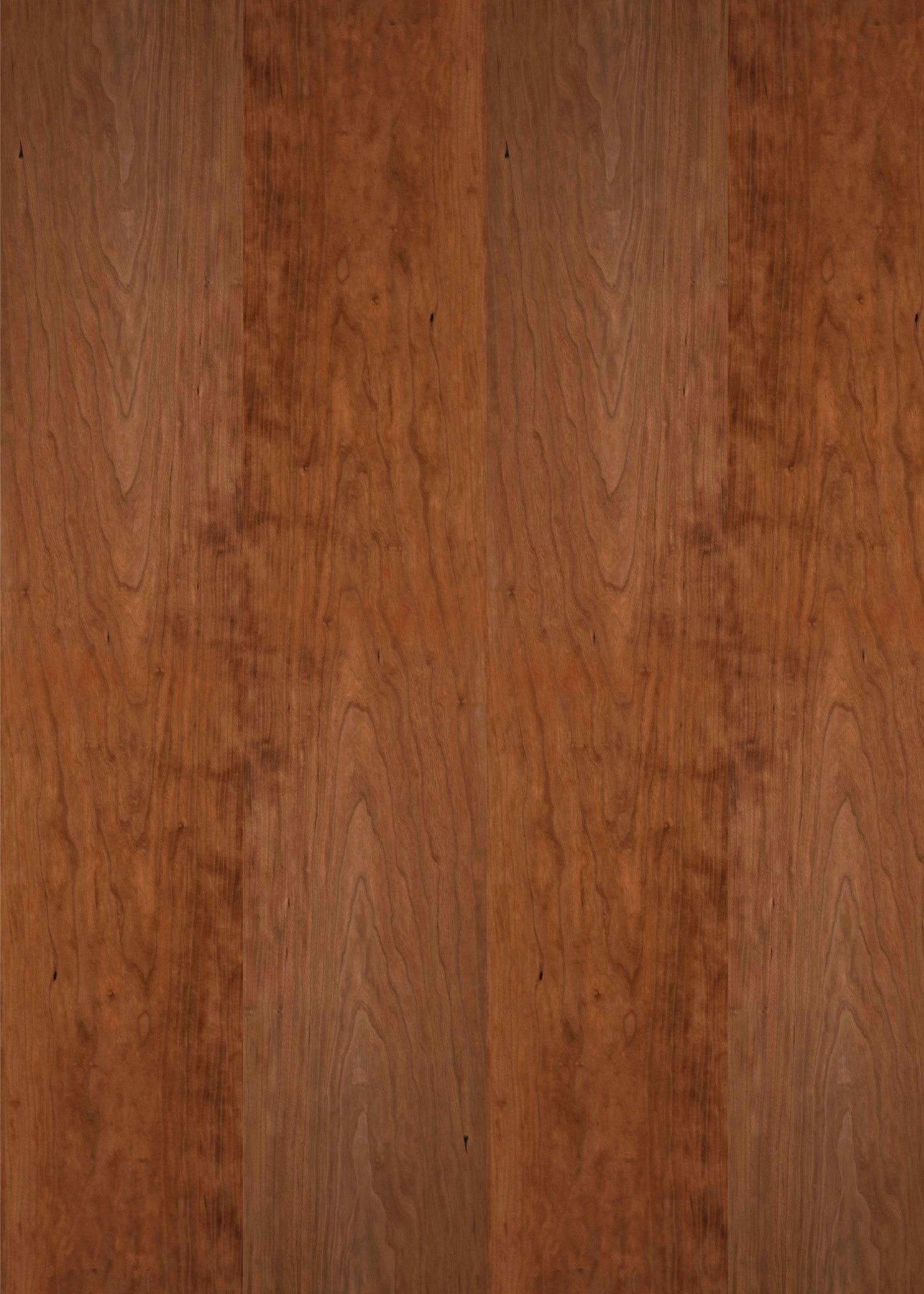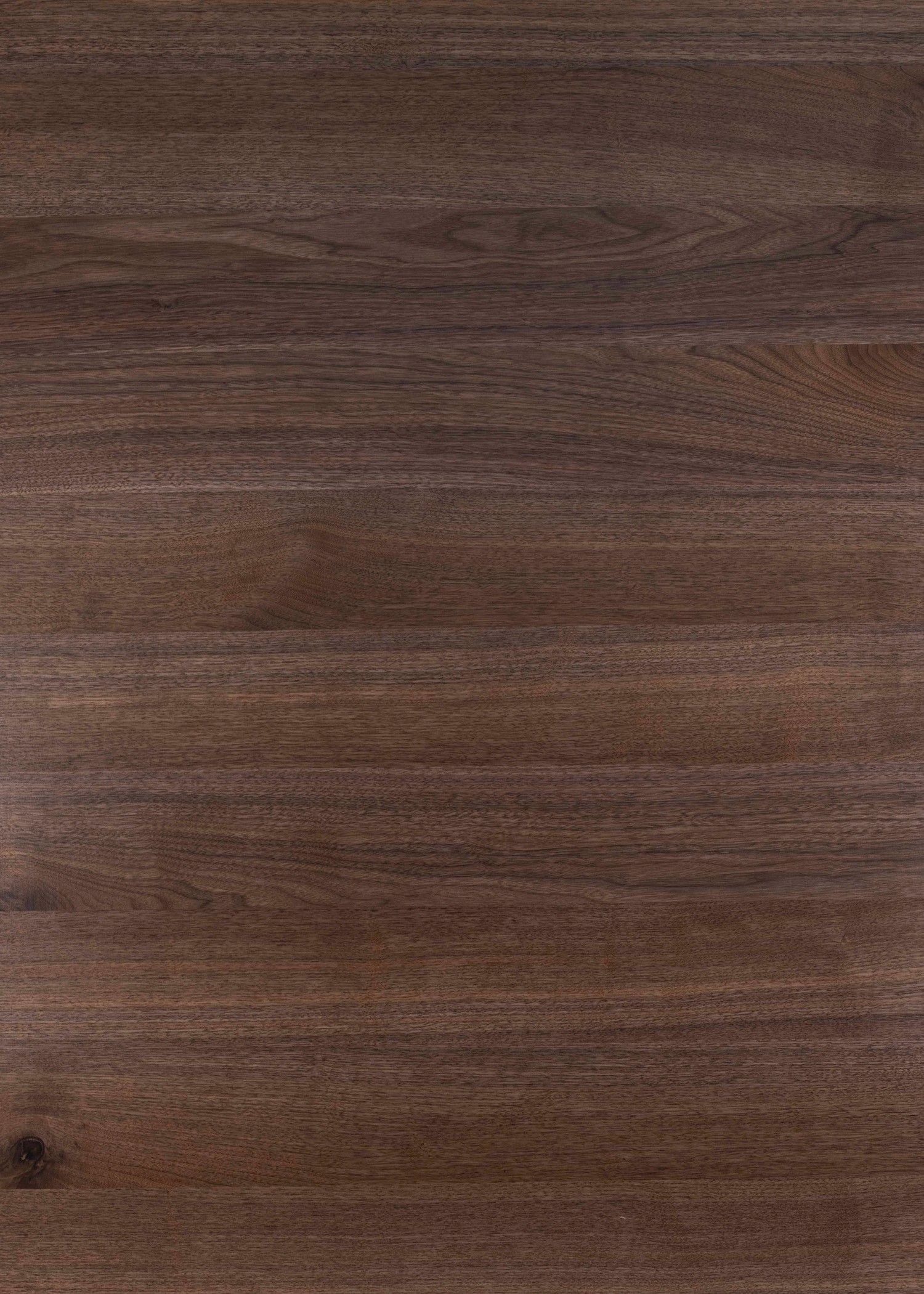
All About Veneers
What is a Veneer?
Veneer is more than a material — it is nature, revealed. It is a thin slice of real wood, carefully cut from a log to preserve the grain’s unique character. From soft, flowing cathedrals to quiet, linear patterns, each sheet holds the fingerprint of the tree it came from.
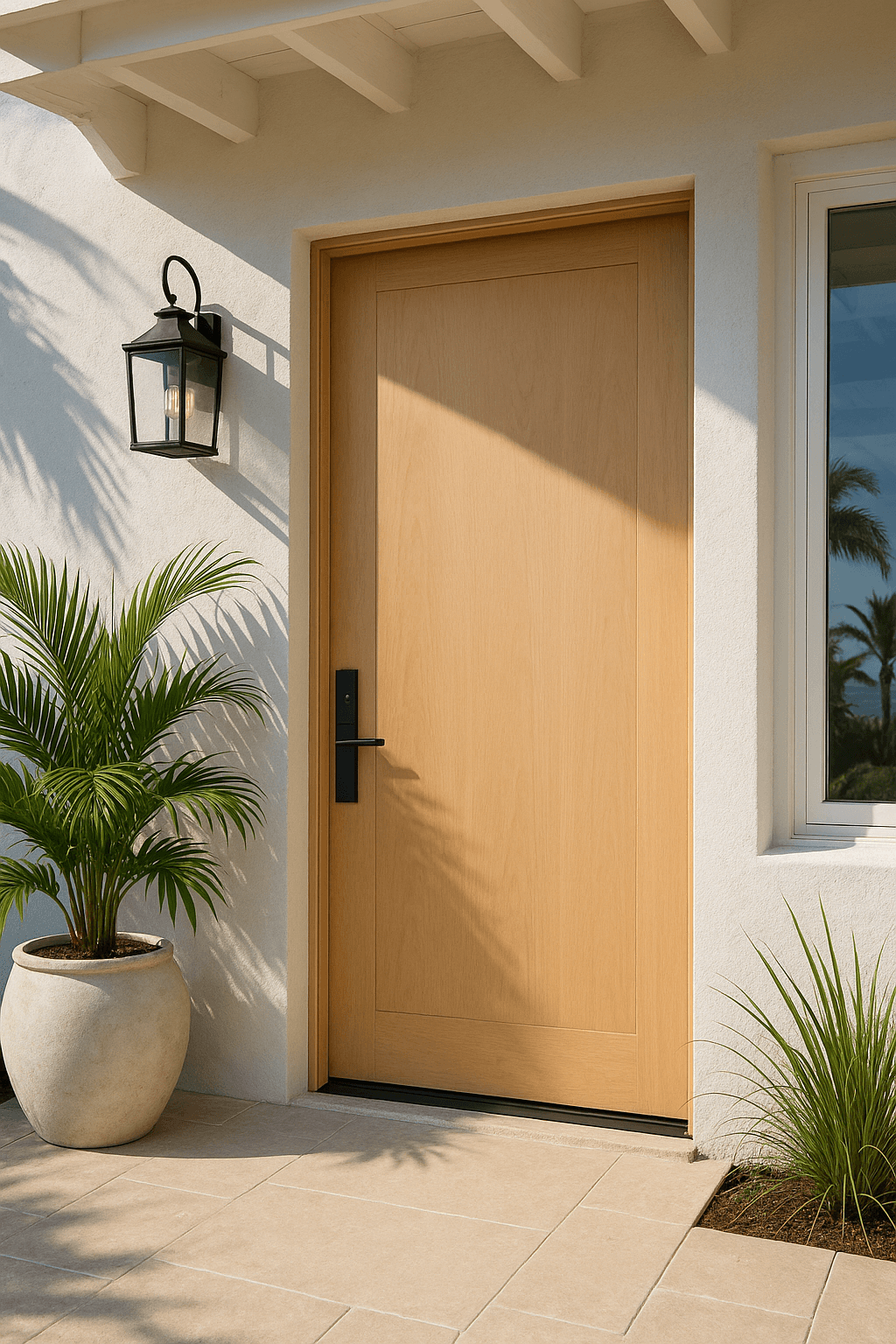
These slices are applied to core panels to craft doors, walls, and furniture that bring the warmth of solid wood with a fraction of the resource. This method honors the tree’s life by using more of it, reducing waste, and promoting thoughtful design.
At Jacsons, we offer veneers not just for their beauty, but for the values they represent. They allow architects, designers, and makers to create responsibly, surround their spaces with natural warmth, and tell a richer story in every project.

Explore Our Veneers
Know your Veneers

Types of Veneer
Explore the distinct categories of wood veneer.

Cutting Techniques
Learn how various slicing methods influence grain patterns, texture, and the visual impact of veneer surfaces.
Matching Techniques
Discover how alignment techniques like book matching and slip matching create distinct patterns.

Figure Types
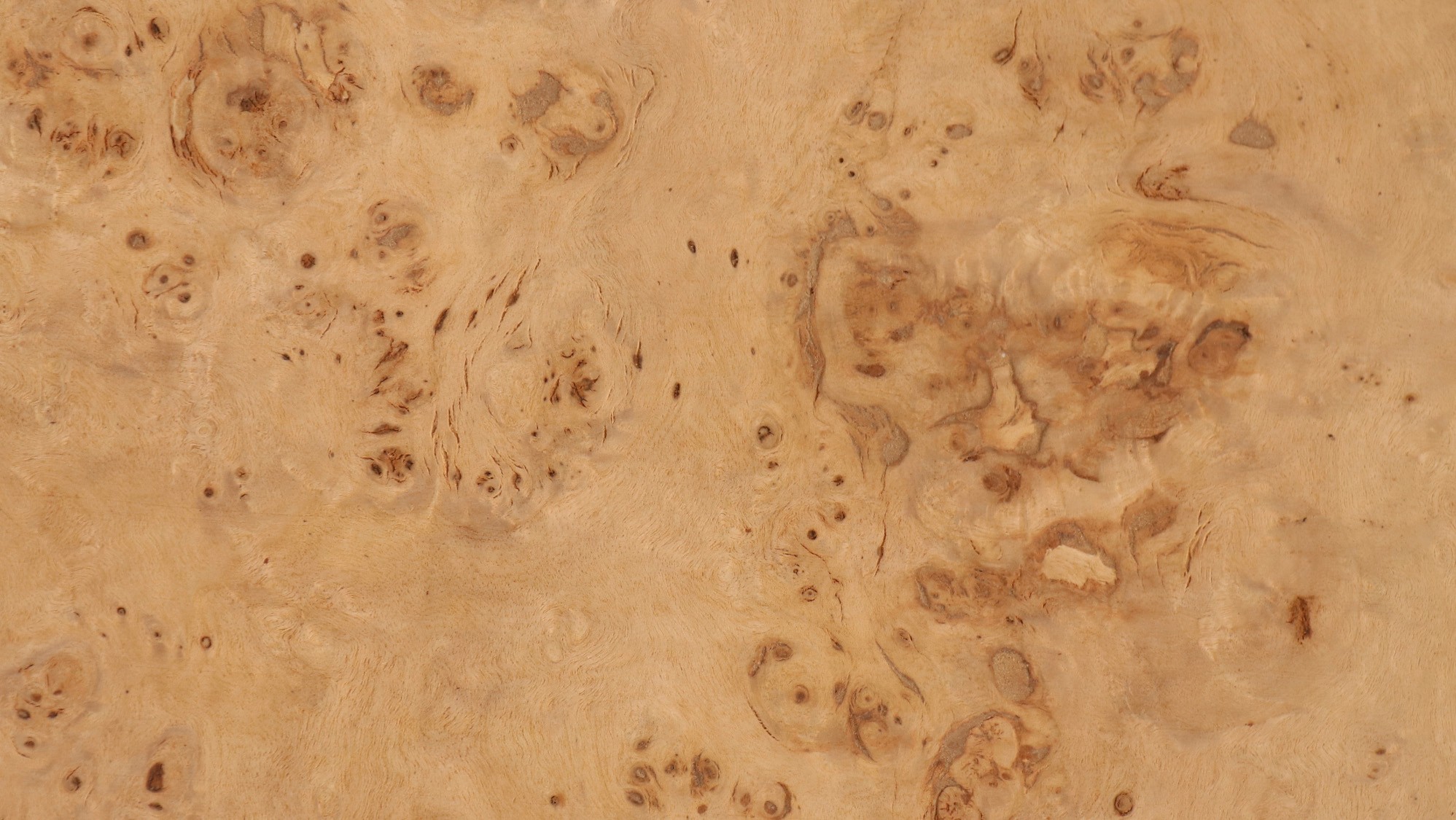
Uncover the organic beauty of natural wood figures like birdseye, burl and pomele.
01
From the uniqueness of natural wood to the consistency of reconstituted patterns, each type of veneer offers its own expression of luxury and style.

Natural
Crafted from real wood, each sheet of natural veneer carries the distinct grain, texture, and character of the tree it came from. No two sheets are exactly alike, which makes natural veneer a timeless choice for those who value authenticity and organic detail.

Reconstituted
Reconstituted veneer is made by taking fast-growing wood species, slicing them into thin layers, and then dyeing, layering, and pressing them to form new, consistent grain patterns. This process allows for a uniform appearance and reliable color across large surfaces.
02
Cutting Techniques
The way wood is sliced plays a key role in its final look and character. Each technique brings out a different pattern in the grain, offering unique visual textures that shape the warmth and elegance of your space.
Flat Cut
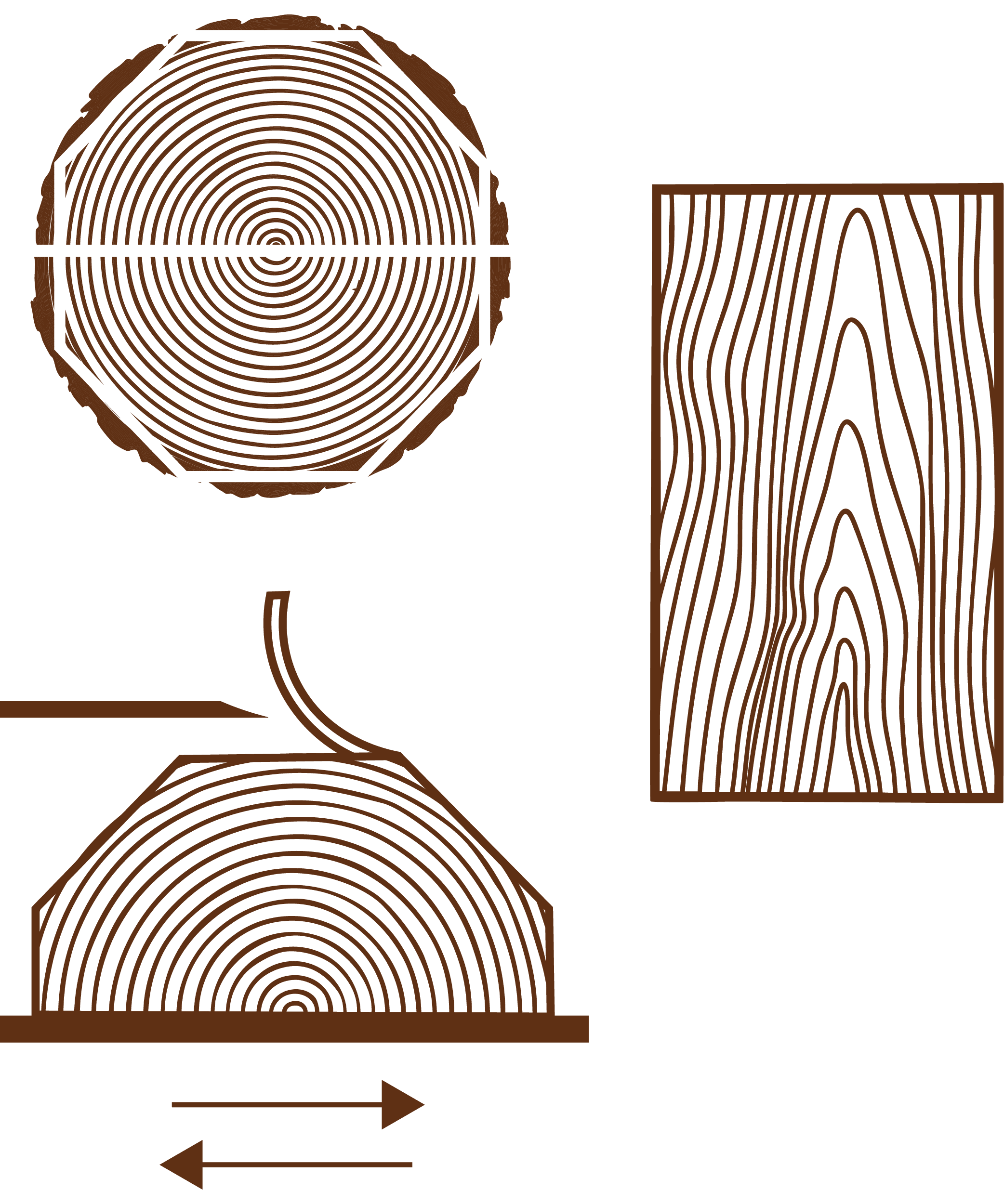
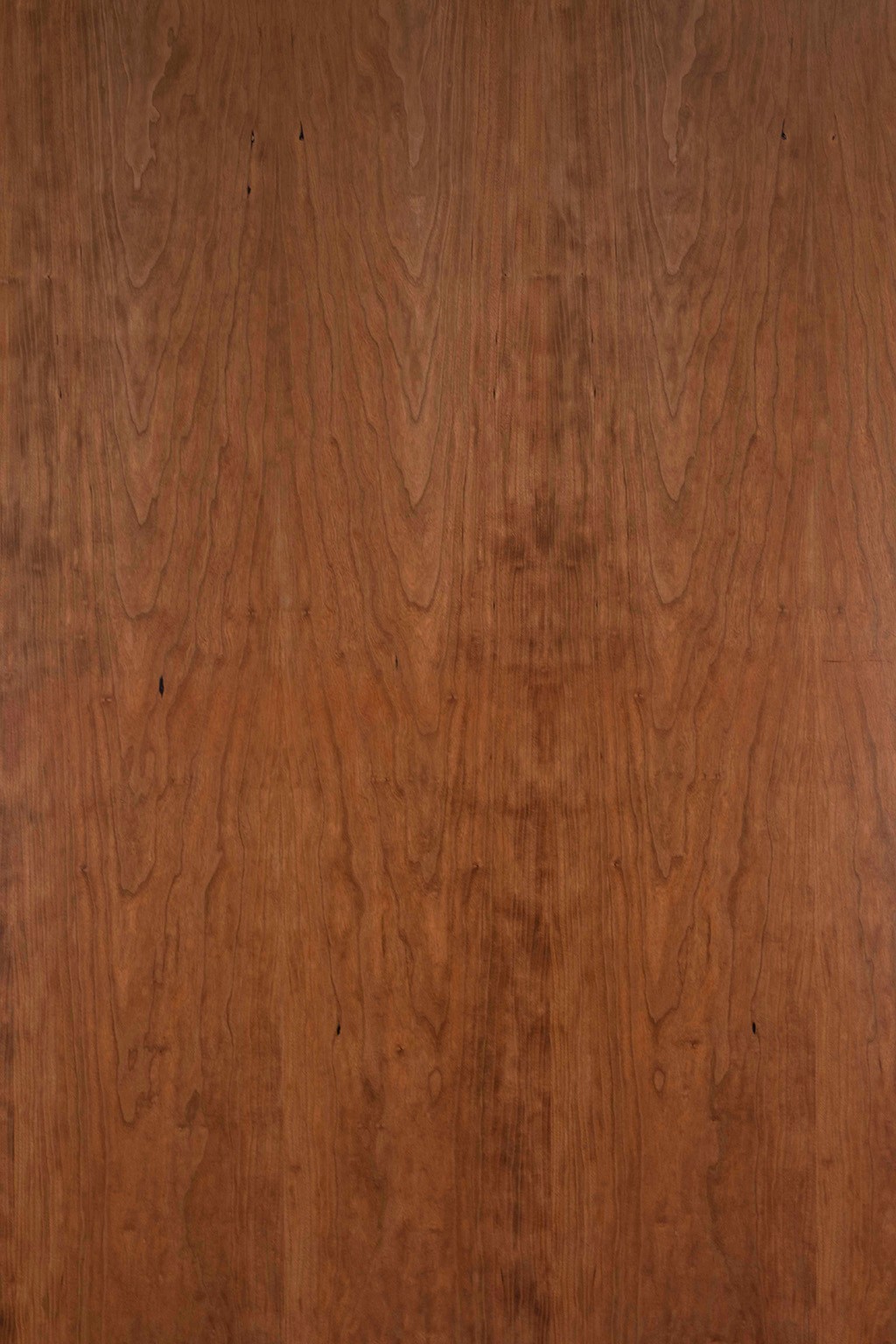
Also known as crown cut, this is the most common technique, known for creating flowing, flame-like patterns often called “cathedrals.” The wood is sliced straight across the log’s growth rings.
Quarter Cut
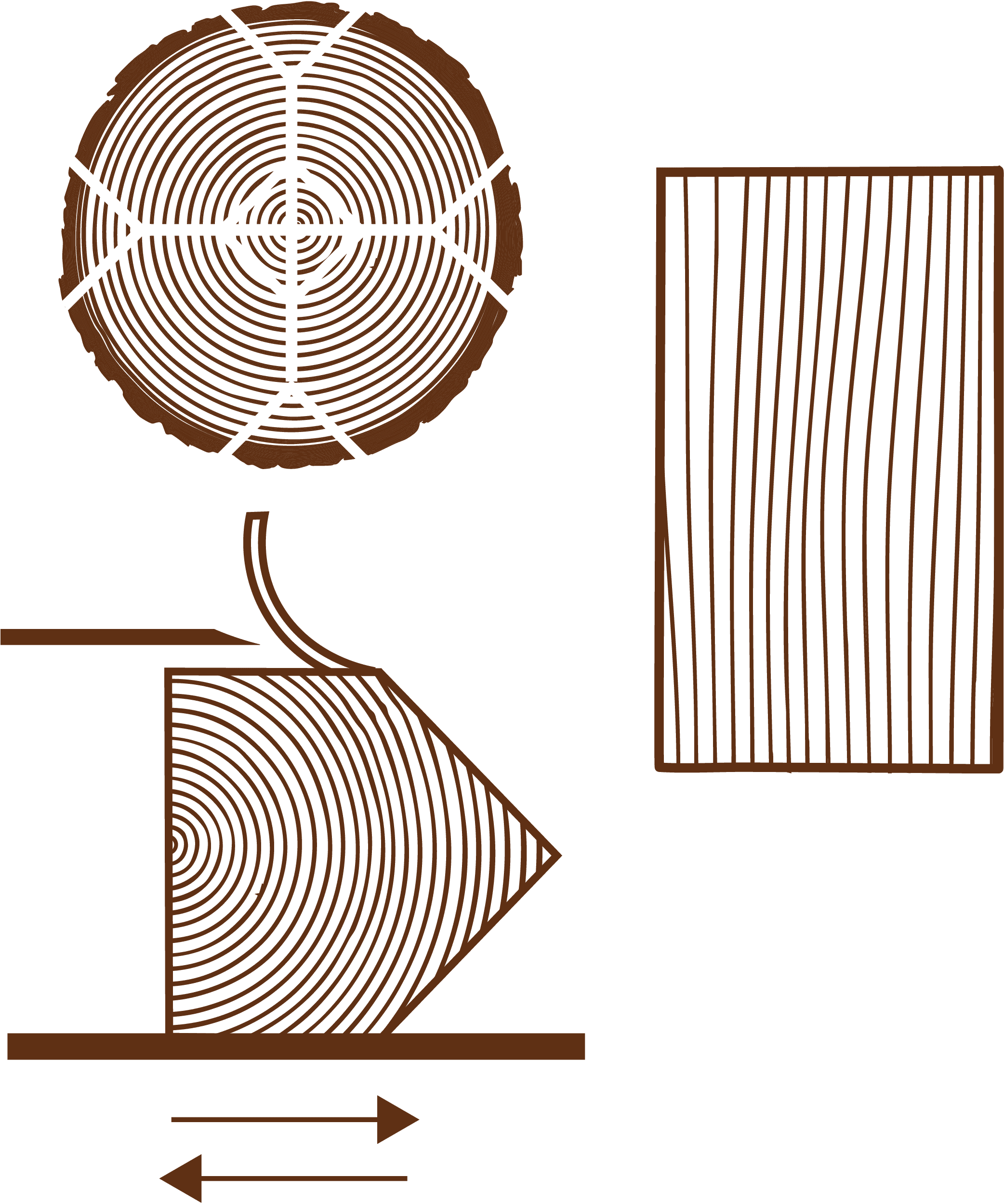
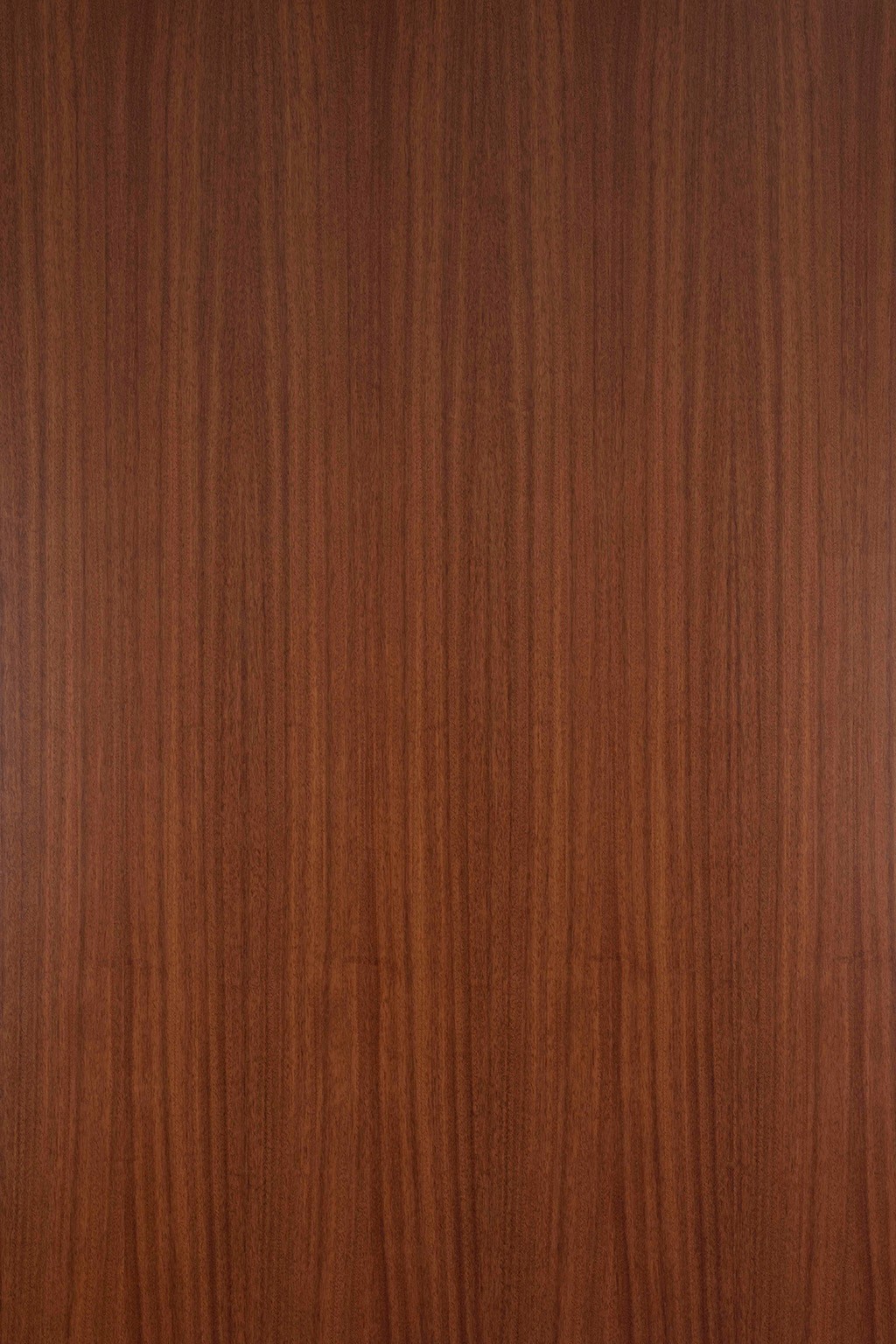
Quarter slicing reveals a more linear, structured grain. The wood is cut perpendicular to the growth rings, producing narrow, straight lines that feel clean and classic.
Rift Cut
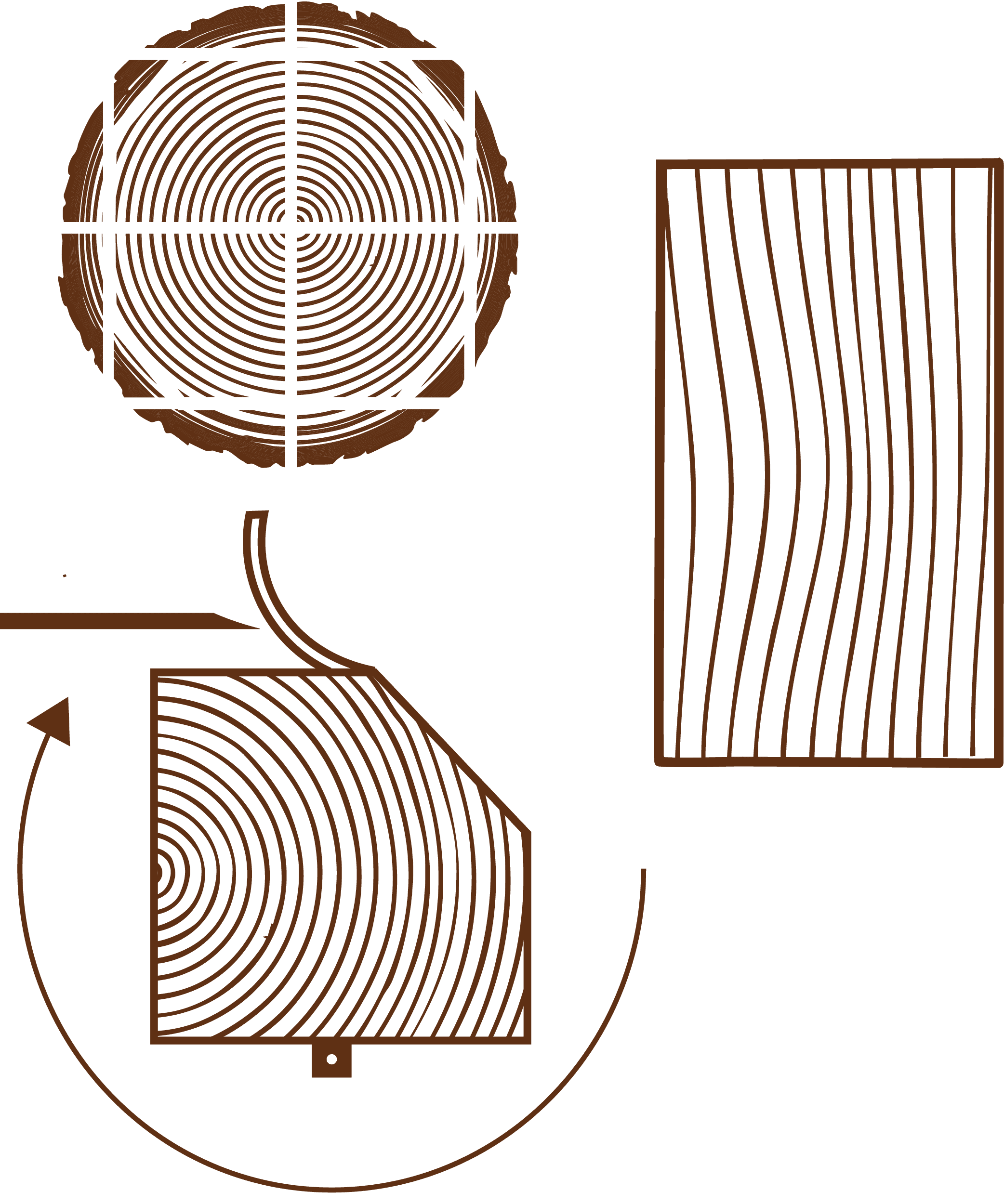
Rift cutting creates the straightest and most uniform grain, with minimal variation or figure. It avoids the flake patterns seen in some woods, offering a sleek, modern appearance.
03
Matching Techniques
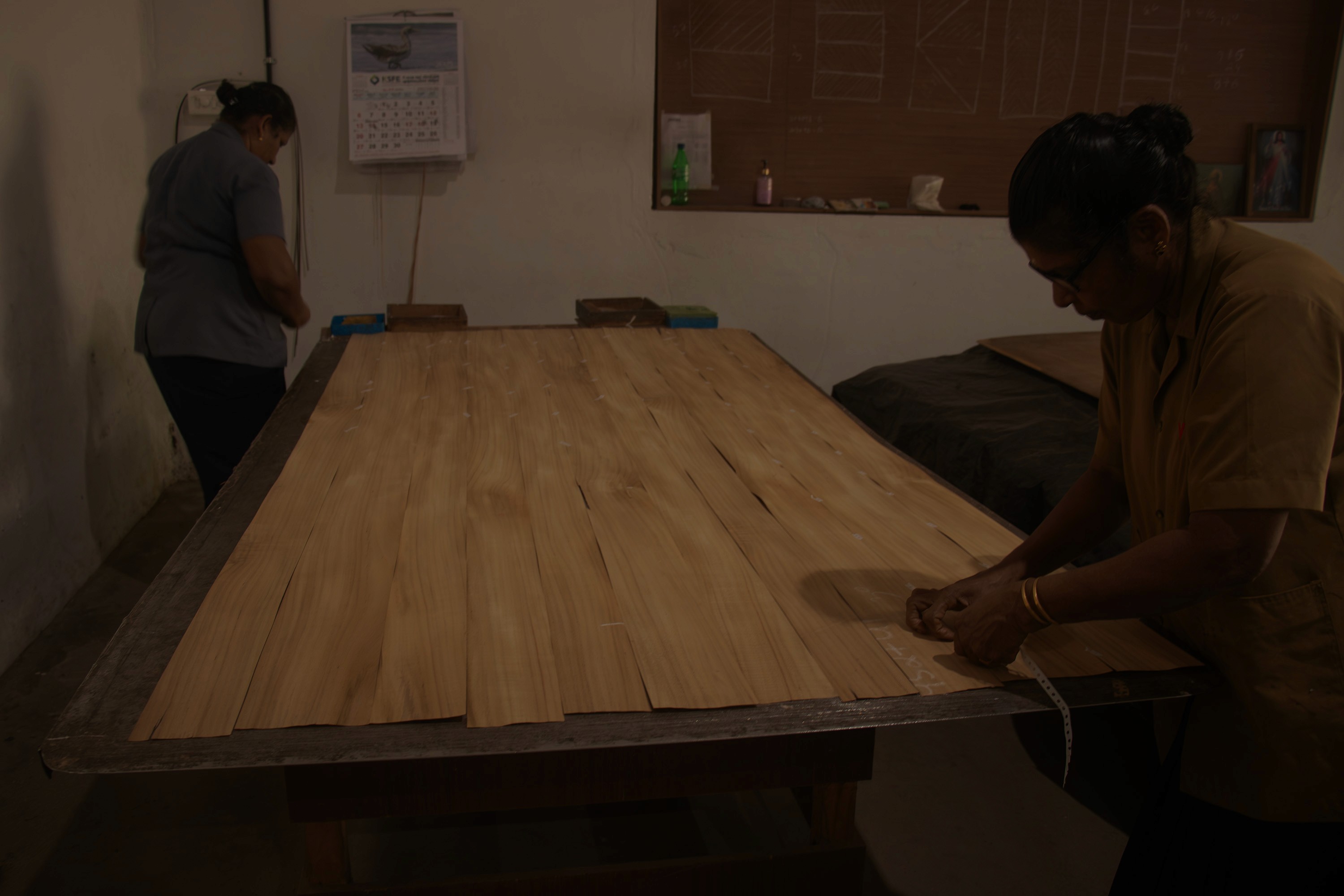
The way veneer leaves are arranged can transform the mood of a surface from dynamic and expressive to calm and uniform. Matching techniques define how these individual sheets come together, creating patterns that shape the visual rhythm of a space.